Community Housing Workshops Are Helping Tenants Navigate Change
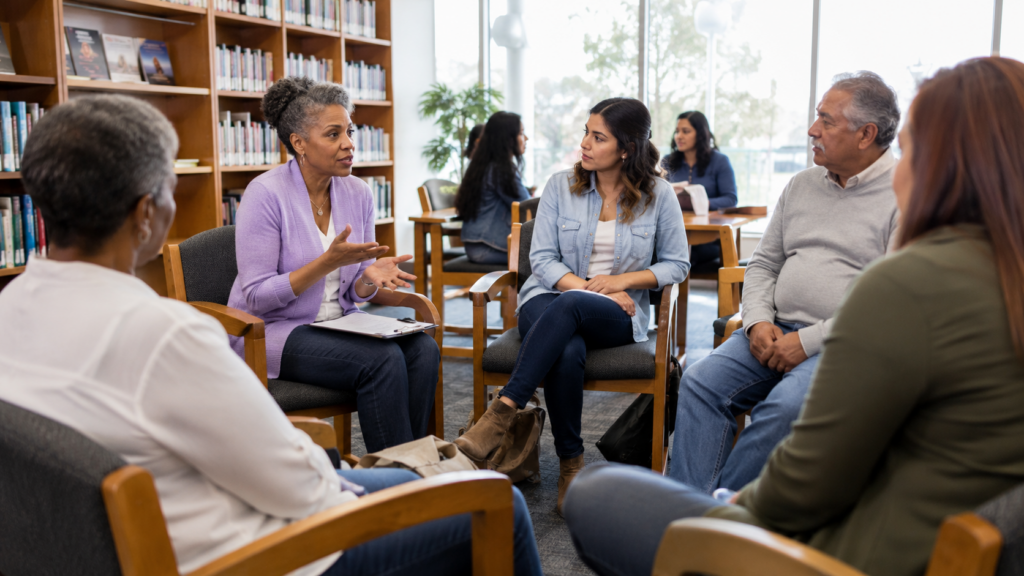
Community housing workshops are becoming practical meeting points for tenants facing rent changes, building repairs, relocation proposals, or unfamiliar paperwork. Organized by neighborhood groups, housing counselors, and public agencies, these sessions translate complex processes into clear steps while giving residents a place to compare experiences and identify shared concerns.
The most useful workshops begin with reliable general information. Facilitators explain how to read notices, document repair requests, keep payment records, and find official deadlines. They distinguish education from individualized legal advice and refer participants to qualified services when a dispute requires representation or a formal interpretation of local law.
Hands-on activities make the information easier to use. Residents may practice writing a repair letter, organize photographs and receipts, or create a timeline of conversations with a landlord. Checklists help people prepare for mediation or inspections without promising a particular outcome. Written materials allow participants to review each step later.
Access determines who benefits. Evening and weekend sessions, child-friendly spaces, step-free venues, and interpretation help include people often left out of formal meetings. Organizers should avoid requesting unnecessary immigration, health, or financial details. Private questions can be handled separately so participants do not have to reveal sensitive circumstances in a group.
Digital portals and message groups can distribute updates quickly, but paper handouts and telephone contacts remain important. Workshops can demonstrate official websites while warning residents about scams, misleading fees, and unverified social-media advice. A short directory of trusted local agencies is often more valuable than a long list of unfamiliar links.
Workshops have limits. They cannot create affordable homes, guarantee repairs, or resolve every conflict. Poorly trained volunteers may accidentally oversimplify rules, and political groups may use meetings mainly to recruit supporters. Clear disclaimers, current sources, confidential referrals, and feedback from participants help maintain accuracy and trust.
When workshops are repeated instead of offered only during a crisis, they build community knowledge. Residents learn how housing systems function, organizers notice recurring problems, and agencies receive better documented reports. The strongest programs measure whether participants found useful help afterward, not simply how many chairs were filled.
For institutions interested in community housing workshops, the most useful first step is a limited project with clear goals and public evaluation. Feedback from participants, transparent methods, and published results make improvement easier before expansion. Review should include accessibility, staff workload, privacy, maintenance, and long-term costs, not only early performance figures. Those measures reveal whether a promising idea continues to solve a real public problem after attention around its launch has faded.