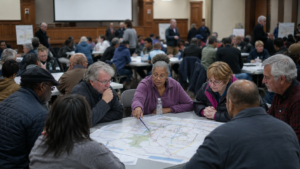
Street Safety Audits Are Changing Transportation Policy
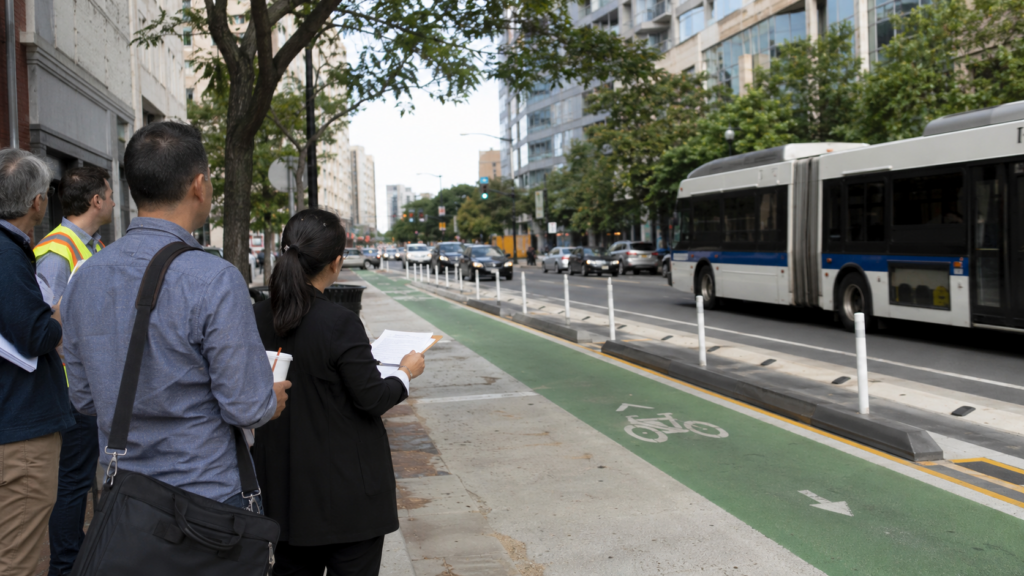
Street safety audits bring planners, engineers, transit operators, disability advocates, and residents onto the same block to observe how a road works in practice. They examine crossings, lighting, speeds, bus stops, bicycle routes, loading, and sidewalk access at different times of day.
Crash statistics identify serious patterns, but they do not capture every near miss or barrier. A parent may avoid an unsafe crossing entirely, leaving no incident in the data. Walking the route reveals sight lines, confusing signs, drainage, broken pavement, and conflicts created by delivery vehicles.
Teams document observations with measurements, photographs, traffic counts, and interviews. They distinguish quick changes such as paint or signal timing from projects requiring reconstruction. Recommendations receive priorities, cost ranges, responsible agencies, and deadlines so the audit does not end as a report on a shelf.
People who walk, use wheelchairs, cycle, drive, or ride buses experience the same street differently. Audits need participants of varied ages and abilities. Schools, senior centers, emergency services, and local businesses can explain daily patterns that a short technical visit might miss.
Speed sensors, video analysis, and mapping software add objective detail, provided privacy is protected. Temporary materials allow cities to test curb extensions or protected lanes before permanent construction. Public feedback during a pilot helps refine design without treating every complaint as equal evidence.
Transportation space is limited, so safer designs may change parking, traffic flow, or loading. Officials should explain tradeoffs and measure results after installation. A project that shifts danger to a nearby street is not successful, and maintenance must be funded from the beginning.
Safety audits turn policy from abstract standards into observable conditions. Their value comes from combining professional analysis with lived experience and follow-through. Repeated audits can build a network of safer routes rather than a collection of isolated improvements.
For institutions interested in transportation safety audits, the most useful first step is a limited project with clear goals and public evaluation. Feedback from participants, transparent methods, and published results make improvement easier before expansion. Review should include accessibility, staff workload, privacy, maintenance, and long-term costs, not only early performance figures. Those measures reveal whether a promising idea continues to solve a real public problem after attention around its launch has faded.