Why Courtroom Access Matters to Public Understanding
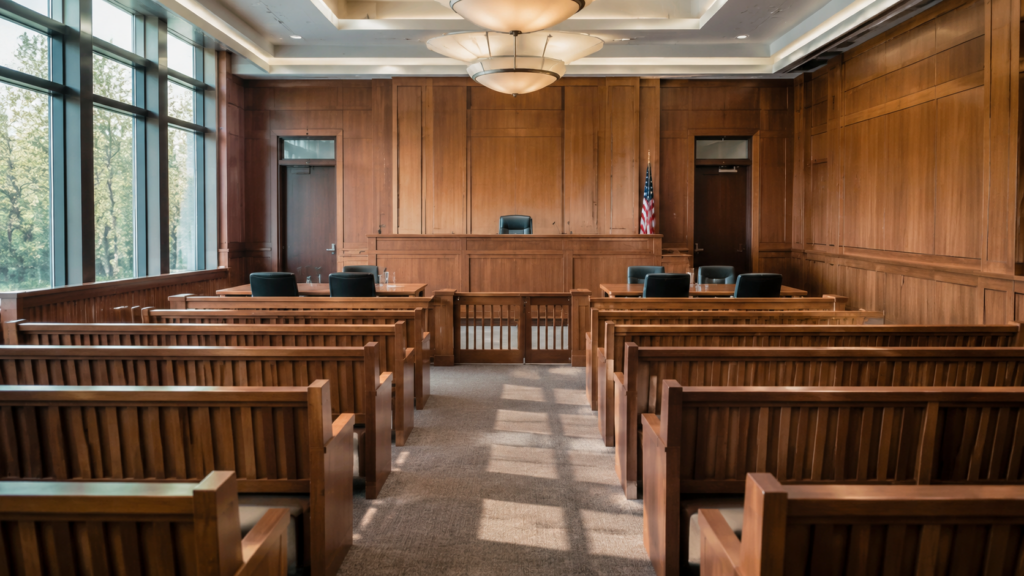
Open courtrooms allow the public to observe how legal rules operate beyond headlines. Hearings show how judges test arguments, how evidence is introduced, and why schedules change. Access supports confidence because citizens can evaluate a process directly rather than relying only on statements from the parties.
Openness does not mean every detail should be public. Courts protect children, victims, medical information, trade secrets, and the safety of witnesses. Judges balance these interests through sealed filings, limited closures, and redaction. Clear reasons for restrictions help the public understand why access was narrowed.
Journalists prepare by reading available dockets, learning procedural terms, and checking local rules for recording devices. During a hearing, they distinguish arguments from rulings and note what evidence was accepted. A lawyer’s allegation is not a finding, and an early decision may change after further proceedings.
Physical access can be difficult for people with disabilities, limited transportation, or work obligations. Some courts provide remote audio, overflow rooms, or timely transcripts. Language interpretation and plain public notices also determine whether openness is meaningful rather than merely formal.
Online calendars and electronic filing systems make cases easier to follow, but incomplete interfaces can confuse users. Searchable opinions provide valuable context. Courts need stable links, accurate timestamps, accessible documents, and help desks that explain procedure without offering legal advice.
High-profile cases bring pressure, misinformation, and threats to participants. Courts may need additional security without turning ordinary observation into a burdensome process. News organizations also have a duty to avoid broadcasting private details simply because they appeared briefly in an open file.
Court access is part of democratic accountability, not entertainment. Careful observation helps residents understand both the strengths and limitations of legal institutions. The best systems combine openness with proportionate protections and explain decisions in language that nonlawyers can follow.
For institutions interested in courtroom access, the most useful first step is a limited project with clear goals and public evaluation. Feedback from participants, transparent methods, and published results make improvement easier before expansion. Review should include accessibility, staff workload, privacy, maintenance, and long-term costs, not only early performance figures. Those measures reveal whether a promising idea continues to solve a real public problem after attention around its launch has faded.