The Heartbeat of African Football: Stories That Make AFCON Unforgettable
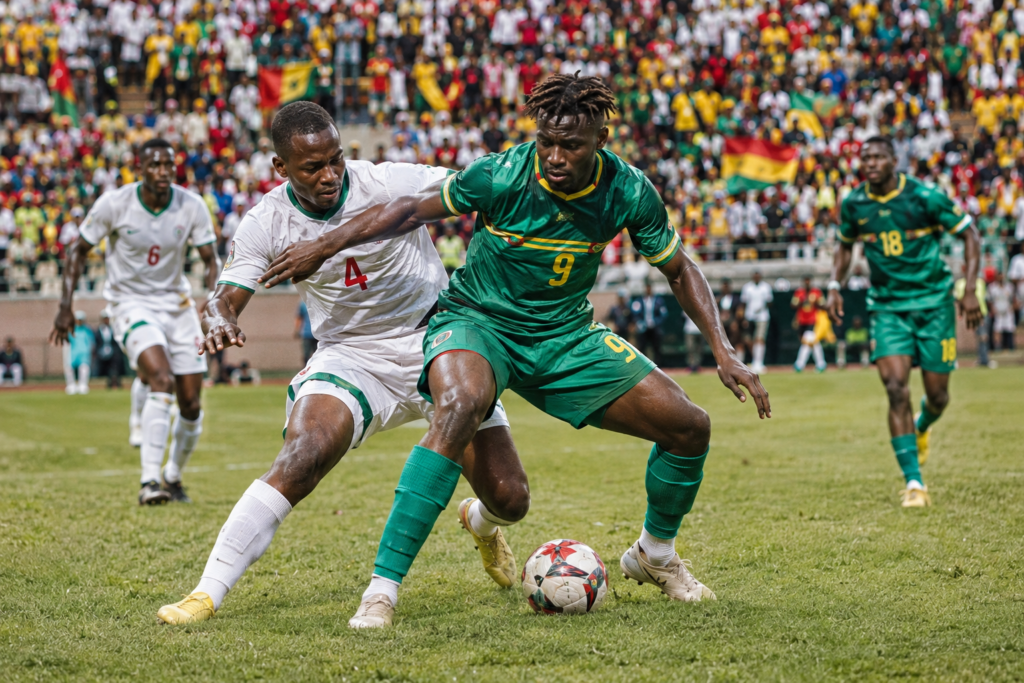
African football has a character shaped by extraordinary diversity. Different playing traditions, passionate supporters, distinctive national identities and generations of talented players come together in one competition, creating a tournament unlike any other. The Africa Cup of Nations brings these elements onto the same stage, where every match becomes part of a much larger continental story. For supporters who want to revisit its defining moments, Africa Cup of Nations match replays offer an opportunity to explore the performances, rivalries and details that make this championship so compelling.
AFCON is more than a sequence of fixtures leading towards a final. It is a meeting point for football cultures, a showcase for emerging talent and a competition in which established expectations can change remarkably quickly. A favourite may encounter an opponent with a completely different approach, while a team with fewer international headlines can become one of the tournament’s most memorable stories.
Understanding the competition means looking beyond the trophy. Its appeal is built through the atmosphere surrounding the matches, the tactical decisions made on the pitch and the traditions that connect football with communities across Africa.
A Continental Competition With a Distinct Identity
The Africa Cup of Nations began in 1957 with a very small group of participants. Since then, it has developed into a major international tournament featuring 24 national teams in its current finals format. This expansion reflects the growth of African football and the increasing number of nations competing at the highest continental level.
The tournament’s history is also a record of changing football generations. Different countries have enjoyed periods of success, while new contenders have gradually established themselves. Established football nations have had to adapt to changing opposition, new coaching ideas and increasingly competitive qualification campaigns.
This historical dimension gives individual matches additional significance. A fixture between two national teams may represent a familiar rivalry, a meeting between different generations or an opportunity for a country to reach a stage it has not visited for many years.
The competition’s identity is not defined by one dominant style. Its richness comes from the variety of approaches represented by the participating nations. That diversity makes every edition difficult to predict and gives the tournament a character of its own.
Different Football Philosophies on One Stage
One of the most interesting aspects of AFCON is the contrast between the tactical approaches of its national teams. African football cannot be reduced to a single playing philosophy. The continent contains a wide range of football traditions, coaching influences and player development systems.
Some sides favour aggressive pressing and quick transitions, attempting to force opponents into mistakes before launching direct attacks. Others prefer to establish control through patient possession, carefully constructed combinations and movement between the lines. There are also teams that place particular emphasis on defensive organisation, physical strength and the ability to exploit set pieces.
These approaches often collide in ways that make tactical preparation especially important. A team accustomed to controlling possession may find itself facing an opponent that presses intensely and closes passing lanes. A side built around fast attacking transitions may have to reconsider its approach against a disciplined defence that leaves very little space behind.
The most revealing moments can occur when a team adjusts its strategy during the match. A change in midfield positioning, a deeper defensive line or a different role for a wide attacker can alter the balance of the contest.
Watching the full performance helps reveal these adjustments. The scoreline records the outcome, but the match itself explains how the teams attempted to achieve it.
The Influence of Conditions Beyond the Pitch
International tournaments require teams to adapt to more than their opponents. Travel, recovery, scheduling, weather and playing conditions can all influence performance, particularly when several matches must be played within a relatively short period.
African football offers a wide range of climatic and geographical environments. Depending on the host location and time of year, teams may encounter significant differences in temperature, humidity and local conditions. These factors can influence the pace of a match, the intensity of pressing and the physical demands placed on players.
Tournament scheduling adds another layer of complexity. Coaches must consider how much energy their squad has used in previous fixtures and whether certain players need additional recovery time. A team that looks energetic in its opening match may approach a later encounter with a different level of intensity.
These circumstances make squad management particularly important. Substitutions, rotation and the distribution of playing time can influence a team’s progress just as much as its preferred formation.
A replay allows supporters to notice how the tempo changes throughout a match. It can also reveal why a side becomes more cautious late in the game or why a coach introduces fresh players earlier than expected.
The Players Who Turn Opportunity Into Recognition
AFCON has long been an important stage for footballers seeking to establish themselves internationally. For some players, the tournament represents an opportunity to demonstrate their abilities to a much wider audience. For others, it is a chance to confirm their importance within an established national team.
The demands of international football are different from those of regular club competition. Players have limited time to develop an understanding with teammates, and tactical responsibilities can change depending on the opponent. A footballer who performs one role at club level may be asked to contribute differently for their country.
This makes adaptability an important quality. A midfielder must understand when to protect the defence and when to move forward. A winger may need to track opposing full-backs before becoming an attacking outlet. A striker can be required to hold possession, create space for teammates or take advantage of a single opportunity.
Young players often face the additional challenge of performing under intense public attention. Their decisions, movement and composure are examined closely, especially when they represent a country with strong tournament ambitions.
Looking back at their performances can reveal the early signs of development. A confident appearance in one edition may become an important chapter in a player’s international career.
Supporters Give the Tournament Its Emotional Power
The atmosphere around AFCON is inseparable from its football. National colours, songs, flags and celebrations transform matches into occasions that extend far beyond the stadium itself.
Supporters bring different traditions into the competition. The ways they celebrate victories, respond to difficult moments and express their connection to national teams are part of what makes the tournament so distinctive. These traditions also create a sense of continuity between generations, as younger fans inherit memories and loyalties from their families and communities.
For players, this support can become a powerful source of motivation. A stadium filled with national colours can create an emotional environment that influences the intensity of a match. The relationship between the team and its supporters is especially noticeable when a host nation plays in front of its home crowd.
The atmosphere is not limited to moments of success. Disappointment, tension and nervous anticipation are equally important parts of the experience. A close knockout match can produce an emotional journey that continues long after the final whistle.
Revisiting a complete fixture helps preserve these details. The reactions of the crowd, the celebrations after a goal and the changing mood inside the stadium contribute to the story just as much as the action on the pitch.
Why Full Matches Reveal More Than Goals
A short compilation can capture the most exciting moments, but it cannot always explain how those moments developed. This is particularly true in a tournament where tactical discipline and patience can be as important as individual brilliance.
A goal may appear to be the result of one excellent pass, yet the build-up could have started several minutes earlier. A midfielder might have drawn an opponent out of position, creating space for a teammate. A full-back could have moved forward to occupy a defender, allowing a winger to attack the central area.
Defensive contributions are even easier to overlook. A centre-back who reads the game well may prevent dangerous situations before they become visible. A defensive midfielder can protect the space in front of the back line through positioning rather than spectacular tackles.
The same principle applies to goalkeepers. Their influence is not limited to saves. Communication, positioning and decisions about when to leave the penalty area can affect the confidence of the entire defence.
Watching an entire match makes these contributions easier to recognise. It also helps supporters understand why a team may have deserved its result even if it did not dominate the most visible statistics.
Rivalries, Surprises and the Unpredictable Nature of AFCON
Every major tournament needs unexpected stories, and AFCON has a long history of encounters that challenge pre-match expectations. A highly rated team can struggle against an organised opponent, while a side with limited tournament experience can discover the confidence to compete with established contenders.
These surprises are not necessarily random. They often emerge from specific tactical advantages, strong collective organisation or an ability to manage pressure more effectively than the opposition.
Rivalries add another dimension. Some encounters carry historical significance, while others become important because of recent competitive meetings. The emotional intensity can influence the pace of the game, the willingness to take risks and the way players respond to difficult decisions.
Knockout football makes these factors even more significant. When a place in the next round is at stake, every decision can carry greater consequences. A missed opportunity, a defensive lapse or a successful substitution may change the direction of an entire campaign.
The unpredictability of AFCON is part of its appeal. Supporters cannot always rely on reputation or previous results to anticipate what will happen next.
Football as a Reflection of Culture and Community
The Africa Cup of Nations also has a cultural significance that extends beyond sport. National teams represent communities with distinct histories, languages, musical traditions and social experiences. During the tournament, these identities become visible through supporter culture and the shared experience of following a national side.
Football can create moments of collective celebration across different regions and generations. A successful campaign may become part of a country’s sporting memory, while an unforgettable match can remain a subject of conversation long after the tournament has ended.
The competition also offers an opportunity to discover the breadth of African football. Supporters can become familiar with national teams they rarely encounter in other international competitions, learn about different footballing environments and appreciate the depth of talent across the continent.
This cultural dimension is one reason why the tournament should not be viewed solely through the lens of trophies and statistics. Its wider importance lies in the connections it creates between players, supporters and national communities.
Every Match Adds Something to the Story
The Africa Cup of Nations is built on more than famous goals and championship celebrations. Its lasting appeal comes from the combination of tactical variety, individual ambition, national pride and the atmosphere surrounding each fixture.
Some matches are remembered for dramatic finishes, while others become important because they reveal the emergence of a new generation or the beginning of a tactical transformation. Even encounters that attract less attention can contain performances worth revisiting.
Looking at the tournament as a whole makes these connections easier to understand. It allows supporters to follow the development of teams, recognise the contribution of individual players and appreciate the football cultures that meet during each edition.
AFCON remains a competition where every match has the potential to become part of a larger story. Returning to those encounters offers more than nostalgia: it provides a deeper understanding of African football, its changing identity and the people who give the tournament its unmistakable spirit.