Why Community Emergency Drills Work Best When Everyone Participates
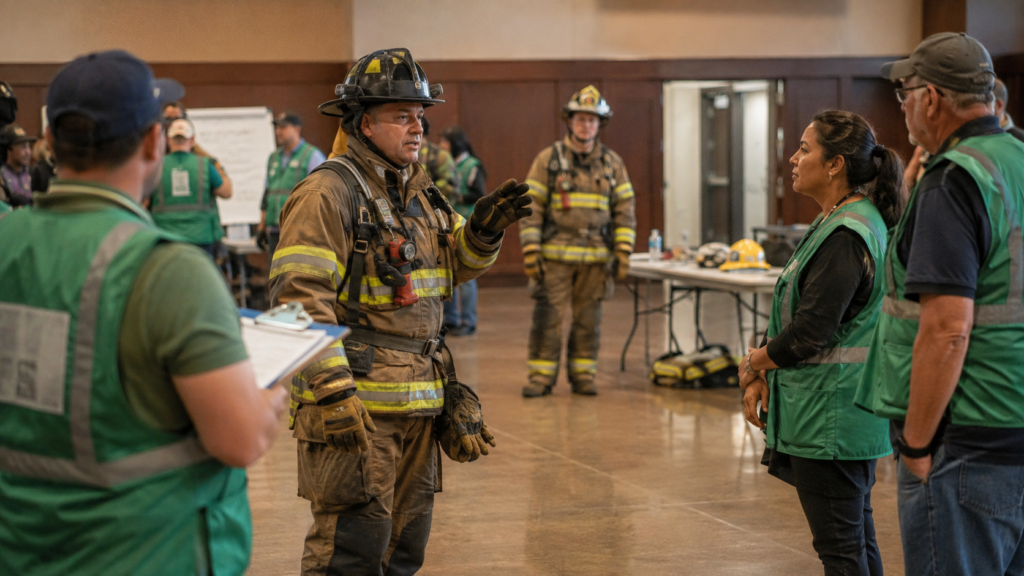
Community emergency drills are most useful when they test real communication and support needs rather than stage a perfect performance. Firefighters, medical teams, volunteers, schools, businesses, and residents practice how information moves, where people gather, and which resources fail under pressure.
Planners begin with a realistic scenario such as a storm, wildfire, flood, or extended power outage. They define a few measurable goals and explain that the exercise is not a prediction. Participants need clear roles, while observers record delays, confusion, and workarounds without interrupting normal safety.
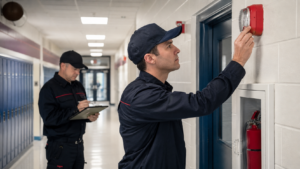
A good drill tests alerts, evacuation routes, shelter registration, first aid, and coordination between agencies. It also includes unexpected changes, such as a blocked road or failed phone network. Teams practice switching to radios, paper lists, and in-person messengers when digital systems are unavailable.
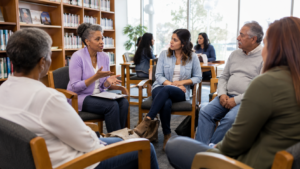
Residents with disabilities, limited English, medical equipment, pets, or no private vehicle must be part of planning. Their experience reveals barriers that professional responders may overlook. Neighborhood organizations can identify trusted contacts and safe locations before an emergency makes those relationships harder to build.
Digital alert platforms and mapping systems speed coordination, but every tool needs a backup. Portable chargers, printed maps, battery radios, and accessible signs remain important. Exercise data should be stored carefully because participant lists may contain contact or health information.
Drills can create anxiety or disrupt daily life if communication is poor. Organizers publish schedules, mark simulated messages clearly, and provide support for participants affected by realistic scenarios. Afterward, an honest review assigns deadlines and responsible agencies for correcting weaknesses.
Preparedness grows through repeated practice, not a single public event. Smaller neighborhood exercises can reinforce lessons between larger regional drills. The strongest programs treat mistakes as valuable evidence and report improvements openly so residents know how plans are changing.
For institutions interested in community preparedness, the most useful first step is a limited project with clear goals and public evaluation. Feedback from participants, transparent methods, and published results make improvement easier before expansion. Review should include accessibility, staff workload, privacy, maintenance, and long-term costs, not only early performance figures. Those measures reveal whether a promising idea continues to solve a real public problem after attention around its launch has faded.