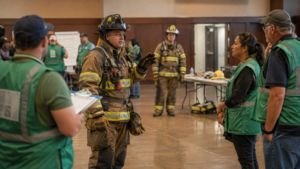
Routine Fire Inspections Prevent Problems Before an Emergency
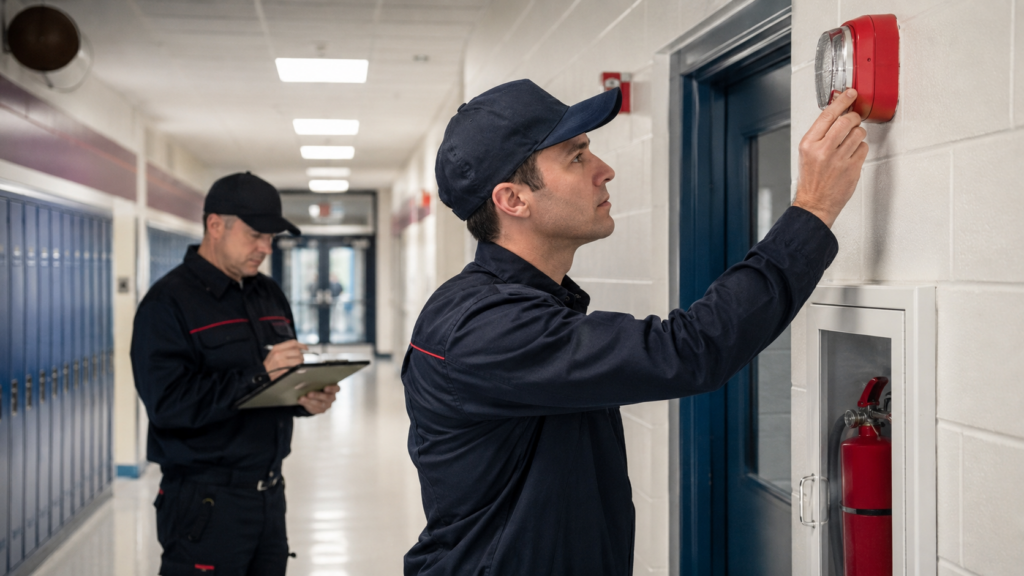
Routine fire inspections are quiet work, but they prevent dangerous problems before smoke or flames appear. Inspectors check alarms, exits, electrical hazards, storage, sprinklers, extinguishers, and emergency lighting in schools, apartments, shops, and public buildings. The goal is correction, not surprise punishment.
Buildings change after approval. Furniture blocks a corridor, a door receives the wrong lock, batteries expire, or new equipment overloads a circuit. Regular visits catch these changes and confirm that maintenance records match actual conditions. Risk determines how often a site should be reviewed.
Inspectors follow a documented checklist while using professional judgment. They test representative devices, measure clearances, examine utility rooms, and speak with staff responsible for evacuation. Findings identify the rule, location, deadline, and acceptable correction so owners understand what must happen next.
Clear communication improves compliance. Small businesses and tenants may not know which responsibility belongs to them or the property owner. Schools and care facilities need plans for people who cannot evacuate quickly. Multilingual guidance and practical demonstrations make technical requirements easier to follow.
Digital inspection systems record photographs, dates, and follow-up actions. Barcodes can track extinguishers and alarm components. Technology reduces lost paperwork, but secure access and reliable backups are essential because building plans and safety weaknesses should not be exposed publicly without reason.
A checklist cannot detect every risk, and inconsistent enforcement undermines trust. Departments need training, supervision, transparent appeal procedures, and protection from conflicts of interest. Serious hazards require quick action, while minor deficiencies should receive proportionate deadlines and verified follow-up.
Inspection programs are strongest when they combine enforcement with education. Public summaries can show common hazards without identifying private security details. The result is a shared prevention culture in which owners, occupants, and officials correct small failures before they become emergencies.
For institutions interested in fire prevention inspections, the most useful first step is a limited project with clear goals and public evaluation. Feedback from participants, transparent methods, and published results make improvement easier before expansion. Review should include accessibility, staff workload, privacy, maintenance, and long-term costs, not only early performance figures. Those measures reveal whether a promising idea continues to solve a real public problem after attention around its launch has faded.